

Electrical Guides for New Hampshire Homeowners
What the work involves, what the code asks for, and what is worth knowing before you spend anything on your house. Written for the person paying, not for another electrician.
Panels, Old Wiring, EV Charging, Remodels and Backup Power
Written for a homeowner deciding whether something needs doing, and what it will involve if it does.
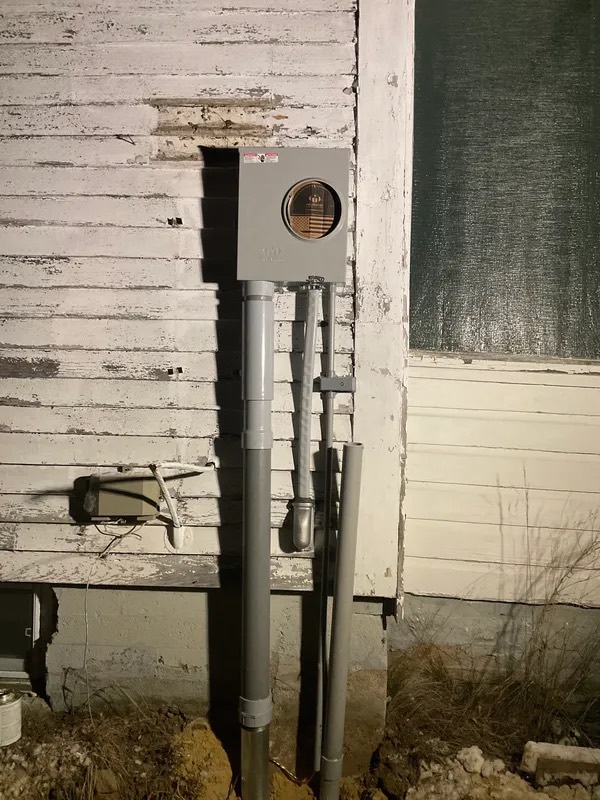
How to Tell If Your Electrical Panel Needs Replacing
The signs worth acting on, the panel brands insurers flag, and how to tell a full panel from an unsafe one.
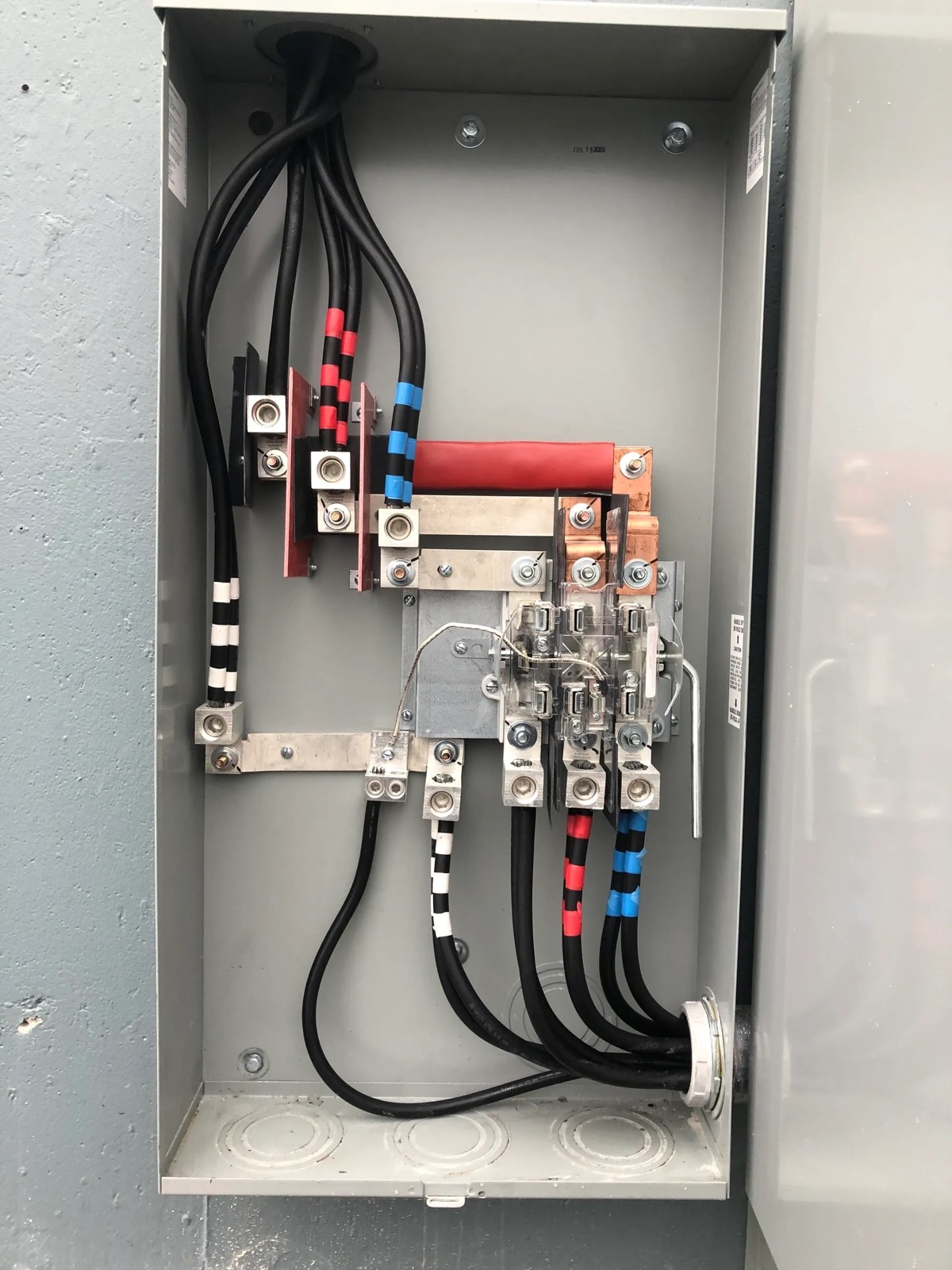
Knob and Tube Wiring in New Hampshire
How to recognize it, why insurers ask about it, and what removing it actually involves.
What Size Electrical Service Does a House Need?
100, 150 or 200 amps, what pushes a house from one to the next, and how to work out where yours sits.
Getting a Home Ready for an EV
What to check before you order the car, and why the charger is rarely the expensive part.
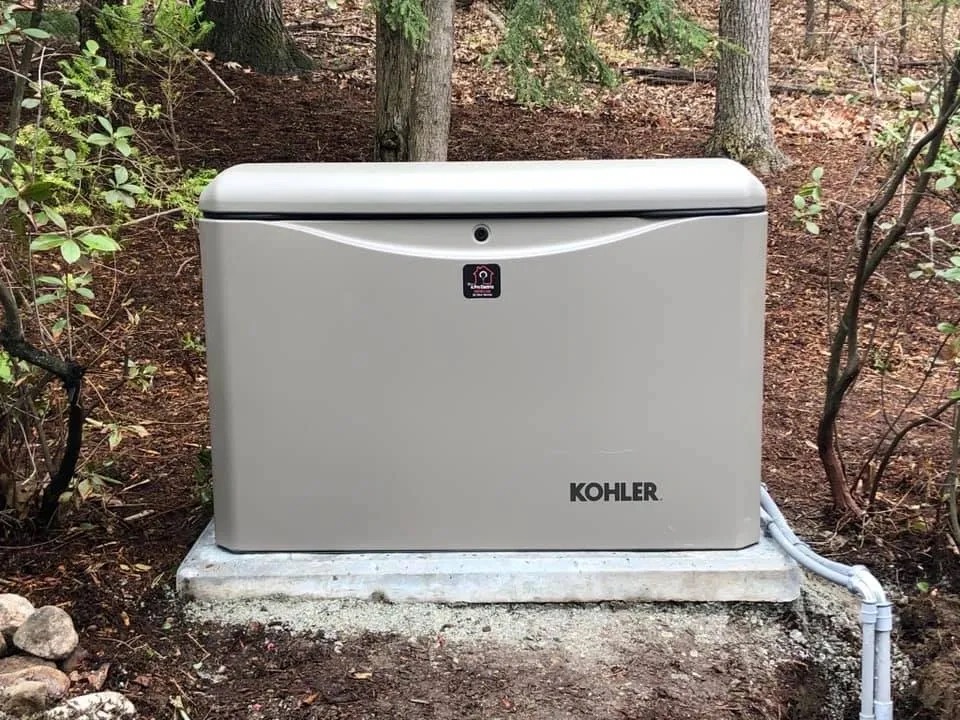
Standby Generators: What They Cover and What They Do Not
Whole-house against essential circuits, automatic against manual, and what a transfer switch is for.
Electrical Work in a Kitchen Remodel
The circuits a modern kitchen needs, when the electrician has to be on site, and what current code requires.
Buying an Older New Hampshire House: What to Check Electrically
What a general home inspection misses, and the findings worth putting into a negotiation.
Lighting a Room Properly: Layers, Recessed and Controls
Why one ceiling fixture is never enough, how many cans a room actually needs, and what dimming changes.
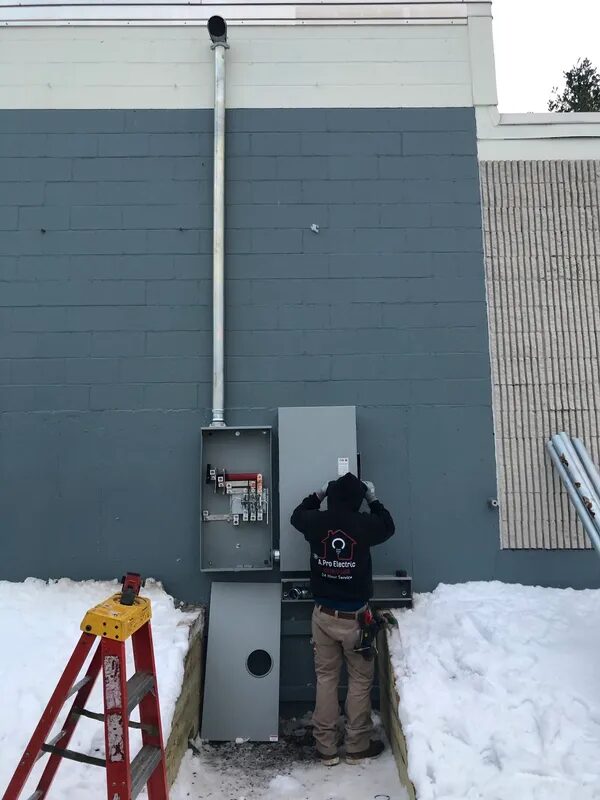
Why Breakers Trip, and What It Means
The difference between an overload, a short and a ground fault, and which of them is urgent.
How to Find the Right Guide for What You Are Working Out
Start With the Question You Actually Have
These guides are written for the person paying for the work rather than for another electrician, and they are grouped below by what usually sends somebody looking in the first place.
Most people arrive with one of four questions. Is this a problem? Can my house take what I want to add? What do I do about wiring that is older than I am? And what happens when the power goes out? Each has its own set of guides.
None of them are a substitute for somebody looking at the actual house, and where that is the honest answer the guide says so rather than talking around it.
Working Out Whether Something Is Actually a Problem
The most common reason to go looking is that something has started doing something it did not used to do, and you want to know whether it matters.
Why breakers trip covers the single most common call there is, and the short version is that a breaker doing its job is not a fault in the breaker. Does my electrical panel need replacing works through age, brand, capacity and condition, which are four separate questions people tend to collapse into one.
If you want an answer in a couple of minutes rather than a couple of pages, the breaker triage tool will tell you whether you are looking at an overload, a fault, or something to stop using now, and the panel identification tool will name the panel brand from the label and the breakers.
When the answer is that somebody should look properly, that is a safety inspection, and it comes with a written report rather than a verbal impression.
Adding Something the House Was Not Wired For
An EV charger, a heat pump, a hot tub, a finished basement or a modern kitchen all draw more than a house built for a furnace, a range and some lights.
What size electrical service a house needs explains the Article 220 calculation in plain English and what actually pushes a New Hampshire house past 100 amps. The load calculator runs that same calculation on your house, against what it will be rather than what it is.
Getting a home ready for an EV is worth reading before the car is ordered rather than after it arrives, because the answer occasionally changes which charger makes sense. The electrical in a kitchen remodel covers the circuit count a modern kitchen needs, which is the thing most often underestimated, and lighting a room properly covers layers, recessed spacing and controls.
The work behind these is panel and service upgrades, EV charger installation, remodels and additions and lighting.
Old Wiring in Older New Hampshire Houses
A great deal of the housing stock in this state predates the loads it is now carrying, and two guides deal with what that means in practice.
Knob and tube wiring is the one that most affects insurance, and it covers what genuinely makes it dangerous, what does not, and how much of a finished house has to be opened up to replace it. Carriers treat it very differently from one another, which is worth knowing before a renewal rather than during one.
Buying an older New Hampshire house is written for the point at which you still have leverage. It covers what a general home inspection will and will not tell you about the electrical, and which findings are worth pricing before you agree anything.
The work itself is rewiring and added circuits, and it is staged far more often than it is done all at once.
When the Power Goes Out
Outages here are a weather problem rather than a rare one, and on a property with a well pump an outage means no water at all rather than reduced pressure.
Standby generators explained covers what each option genuinely protects: what a portable with an inlet and interlock will and will not do, what an automatic standby adds, and why the transfer switch rather than the generator is the part that matters.
The generator sizing tool works the other way round. You pick the circuits you actually want running during an outage and it tells you the size of unit that covers them, which is usually smaller than people assume.
The work is generators and backup power, and for anything that cannot wait, emergency electrical work.
What These Guides Deliberately Do Not Do
They do not tell you to do electrical work yourself. Nothing here is a how-to, because the things that go wrong with amateur electrical work go wrong slowly and invisibly, and then all at once.
They also do not quote a price for every job. Where there is a figure we can stand behind it is stated plainly, and where there is not, the guide says what the price actually depends on instead of inventing a range.
And they do not pretend that a guide replaces a look at the house. Most of the questions people arrive with have a genuine answer of "it depends on what is behind that wall", and saying so is more useful than a confident guess.
If you are working something out and nothing here helps, call and ask. It is a faster answer than reading, and it tells us what to write next.
Looking for the other side? Commercial electrical guides.
Common Questions About These Homeowner Electrical Guides
Are These Guides Written for Homeowners or for Electricians?
For homeowners, and specifically for the person paying for the work. They explain what a job involves, what the code is asking for and what the cost actually depends on, without assuming you know the trade vocabulary.
Do the Guides Tell Me How to Do the Work Myself?
No, and that is deliberate. Nothing here is a how-to. The things that go wrong with amateur electrical work tend to go wrong slowly and invisibly, then all at once, and a guide cannot see what is behind your wall.
Why Do Some Guides Give a Price and Others Do Not?
Because we only state figures we can stand behind. Where there is a real number it is in the guide; where there is not, the guide explains what the price depends on instead of inventing a range that would turn out to be wrong.
Which Guide Should I Read First?
Depends what sent you looking. If something has started tripping or smelling, start with why breakers trip. If you are adding an EV charger or a heat pump, start with what size service a house needs. If you are buying an older house, start with that one.
Are the Tools Free?
Yes, all of them, and none of them ask for your details to show you the answer. The load calculator, panel check, breaker triage and generator sizing tools all give you the result on the page.
Do These Apply Outside New Hampshire?
The general principles do, but the specifics are written for New Hampshire: the housing stock, the weather, the permit and inspection process, and what insurers here tend to ask about. Massachusetts differs in places and the guides say where.